How to Give Feedback to Someone Who Gets Defensive
Giving feedback is an essential part of leadership. It helps people develop, improves performance and gives teams the opportunity to address problems before they become bigger issues.
But what happens when the person you’re speaking to becomes defensive?
Giving feedback to defensive employee’s is particularly tough, but it can be done well and those defensive employee’s can learn to be less defensive.
Perhaps they make excuses, blame someone else, deny there’s a problem or shut down completely. You might find yourself explaining the same thing repeatedly, getting drawn into an argument or avoiding the conversation altogether because you know how uncomfortable it could become.
Knowing how to give feedback is one thing. Knowing how to respond when someone isn’t receptive is another.
The good news is that there are ways to navigate these conversations more effectively. And importantly, helping someone become more receptive to feedback isn’t just about what you say in one difficult conversation. It’s also about the relationship and the experiences you build over time.
Why do people become defensive when receiving feedback?
It’s easy to interpret defensiveness as a sign that someone is difficult, unwilling to learn or unable to take responsibility. Sometimes, a person may indeed be avoiding accountability. But defensiveness can have other causes, too.
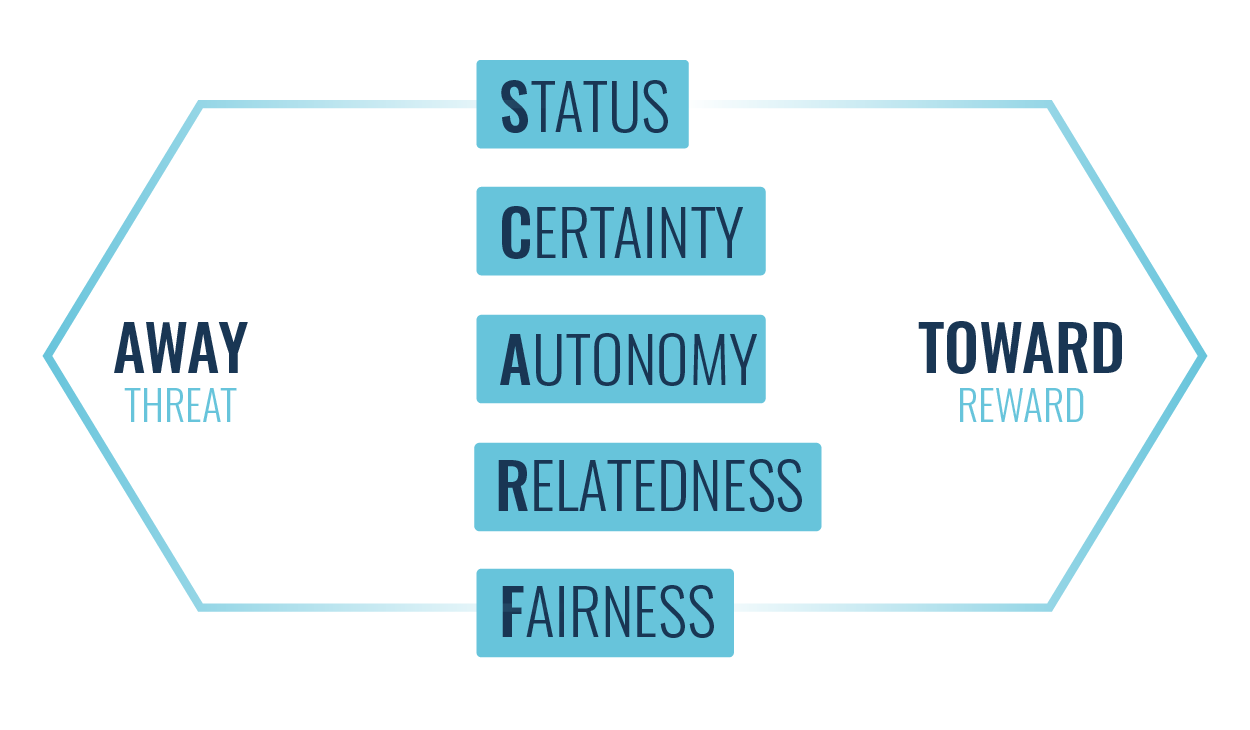
Feedback can feel like a threat to our sense of competence, our professional identity, our reputation or our place within a team.
Someone might hear “This piece of work needs improving” and interpret it as “I’m not good enough at my job.”
They may worry that admitting a mistake will damage their reputation, affect their career or put their job at risk. Previous experiences of criticism can also influence how they respond to feedback today.
Stress can make these situations harder to navigate. When people feel threatened or overwhelmed, they may find it more difficult to listen openly, consider another perspective or think through a constructive response.
This doesn’t mean everyone who becomes defensive has the same underlying fear, nor does it excuse behaviour that is unhelpful or inappropriate. It simply reminds us that the reaction we see on the surface may not tell us the whole story.
Understanding this gives leaders more options than simply pushing harder or labelling someone as defensive.
5 ways to give feedback to someone who gets defensive
1. Be curious about what’s happening beneath the surface
Before assuming someone is being deliberately difficult, consider what might be driving their reaction.
Are they worried about the consequences? Do they feel misunderstood? Are they surprised by the feedback? Is there context you haven’t considered?
You don’t need to know the answer in advance. Instead, create space to explore their perspective.
You might ask:
- “How does that land with you?”
- “What’s your perspective on what happened?”
- “Is there anything you think I’m missing?”
- “What feels most difficult about this conversation?”
Curiosity can help you understand what’s happening without losing sight of the issue you need to address.
2. Describe the behaviour, not the person’s character
Generalised criticism can feel like an attack on someone’s identity, leaving them with little room to respond constructively.
Compare these two statements:
“You’re unreliable.”
“The last two reports were submitted after the agreed deadline, which meant the team couldn’t complete their next steps on time.”
The first labels the person. The second identifies specific behaviour and its impact.
Where possible, describe what you observed, explain why it matters and be clear about what needs to change. Avoid assumptions about someone’s motives or personality.
This makes the conversation more concrete and gives you both something specific to work on.
3. Listen without losing sight of the message
Giving someone the opportunity to explain their perspective is important. You might discover that there are workload pressures, unclear expectations or other factors that need addressing.
Listen carefully, ask questions and acknowledge what you’ve heard.
For example:
“I can see that you’ve been dealing with competing priorities, and it’s helpful to understand that. We still need to make sure deadlines are met, so let’s look at what needs to change.”
This response recognises the person’s experience while maintaining the expectation.
Empathy doesn’t mean agreeing with everything someone says. And listening doesn’t mean abandoning accountability.
Both can exist together.
4. Don’t get pulled into an argument about who’s right
When someone becomes defensive, you might feel the urge to justify your feedback, prove your point or challenge every excuse.
This can quickly turn a conversation about improvement into an argument about who’s right.
Instead, acknowledge their perspective where appropriate and bring the discussion back to the issue and the outcome you need to achieve.
For example:
“I understand that there are other factors involved, and I’m happy to talk those through. I also want us to agree how we’ll prevent this happening again.”
You don’t have to resolve every disagreement about the past to establish a clear plan for the future.
If the conversation becomes too heated to be productive, it may be better to pause and return to it when you can both engage more constructively.
5. Be clear about expectations and next steps
A conversation can feel supportive and respectful while still being direct about what needs to change.
Make sure the person understands:
- What needs to improve.
- Why it matters.
- What good performance or behaviour looks like.
- What support is available.
- When you’ll review progress.
Where appropriate, involve them in identifying solutions. People are more likely to understand and engage with an action plan when they have had an opportunity to contribute to it.
However, not every expectation is negotiable. If the issue concerns a required standard of behaviour or performance, be clear about that. If problems persist, further action may be necessary in line with your organisation’s procedures.
You can be compassionate without avoiding a difficult message.
Receptiveness to feedback is built over time
There is another important part of this picture that can easily be overlooked.
You cannot necessarily change someone’s relationship with feedback in one conversation or one training session.
If someone has learned to associate criticism with shame, humiliation or the fear of getting something wrong, they may interpret feedback as a threat even when it is intended to help them develop.
This is where everyday interactions between a leader and their team become particularly important.
Build self-awareness through smaller conversations
Don’t wait until something has gone wrong to encourage reflection.
In everyday conversations, ask questions that help people consider their decisions, behaviour and impact.
For example:
- “How do you think that meeting went?”
- “What do you think worked well?”
- “Is there anything you’d approach differently next time?”
- “How do you think that came across to the rest of the team?”
- “What have you learned from that experience?”
These questions help make reflection a normal part of working together, rather than something that only happens when there is a problem.
They also give people opportunities to practise considering different perspectives when the stakes are relatively low.
Show people what happens when they make a mistake
Leaders play an important role in shaping how safe it feels to be honest.
Consider what happens when someone admits a mistake, raises a concern or challenges your perspective.
Do you respond with curiosity, fairness and a focus on learning? Or do people experience blame, embarrassment or an unpredictable reaction?
If employees repeatedly experience a manager who listens, treats them fairly and helps them learn from mistakes without humiliating them, they have more reason to trust that person.
Over time, these experiences can help change what they expect from difficult conversations.
This doesn’t mean removing consequences or lowering standards. Psychological safety isn’t about making sure nobody feels uncomfortable. It’s about creating an environment where people can raise concerns, admit mistakes, ask questions and disagree without fearing an unfair or humiliating response.
Psychological safety isn’t created by telling people it’s safe to speak up. It’s built through what happens when they do.
Remember that trust needs consistency
A leader cannot expect people to feel comfortable receiving difficult feedback if most of their interactions are critical, unpredictable or focused on what has gone wrong.
Nor can one positive conversation instantly undo a history of poor experiences.
Trust is built through repeated interactions. How you respond to everyday mistakes, questions, disagreements and requests for help all contribute to the relationship you have with your team.
The difficult conversation matters. But so does everything that comes before it.
What if someone continues to reject feedback?
Even when you approach a conversation thoughtfully and have built a positive working relationship, someone may still be unwilling to engage.
You cannot control how another person responds. Your responsibility is to communicate clearly, listen fairly, maintain appropriate boundaries and follow through.
If someone repeatedly dismisses feedback, refuses to acknowledge concerns or fails to make agreed changes, consider what the situation requires.
You may need to:
- Revisit the specific expectations and explain the impact of the behaviour.
- Ask what is preventing progress and whether additional support is needed.
- Agree clear actions, responsibilities and timescales.
- Document important conversations and agreed actions where appropriate.
- Follow your organisation’s performance management or other relevant procedures if the issue persists.
You can offer someone the opportunity to reflect and improve. You cannot do that work for them.
The aim isn’t to make every person comfortable with every piece of feedback. It’s to create the conditions for honest conversations, meaningful improvement and appropriate accountability.
Becoming more confident in difficult conversations
Giving feedback effectively requires more than choosing the right words. It involves understanding behaviour, managing your own reactions, listening to another perspective and remaining clear when a conversation becomes uncomfortable.
It also requires a longer-term commitment to building trust and encouraging self-awareness within your team.
When leaders combine these skills, they are better equipped to navigate difficult conversations without becoming unnecessarily confrontational or avoiding the issue altogether.
At NeuroEdge Growth, I help leaders and leadership teams understand the human side of leadership, drawing on psychology, neuroscience and behavioural science to translate insight into practical action.
If you want to build your confidence in giving feedback, managing challenging conversations and creating a healthier team environment, explore my leadership coaching and team development services.