When I started my first professional role, I imagined that work would be a place of growth, collaboration, and purpose. Unfortunately, my early experiences — and many that followed — painted a very different picture.
Across multiple jobs, I encountered environments where leadership was absent, empathy was scarce, and promises were broken. These experiences not only shaped my career but also deepened my beliefs about people-centred workplaces.
What I Experienced
- Skills wasted: I began as a behavioural support worker on a stroke and brain injury ward, where many of us had advanced degrees. Yet our knowledge went unused, and we were treated as invisible by senior staff. Respect was withheld, even in simple greetings.
- Burnout without support: In another role, I was promoted into senior management without training or mentoring. I advocated for better conditions for my team, but my concerns were ignored. Instead, I became the messenger for unpleasant tasks leadership wanted to avoid.
- Broken promises: I relocated for a role that promised innovation and autonomy, only to be sidelined into admin work while my proposals were quietly blocked. I even lost money when promised accommodation was withdrawn.
- Toxic leadership: In one of my final employed roles, I was berated with abusive messages for prioritising a GP appointment over staying late. Soon after raising concerns about professionalism and communication, I was dismissed without warning.
The pattern was consistent:
- Leaders unable to regulate their own stress projected it onto their teams.
- Hierarchies devalued the contribution of skilled staff.
- Psychological safety was non-existent.
- Colleagues were left not just dissatisfied, but traumatised.
Some of my former colleagues developed PTSD. Personally, I was left with a deep lack of trust in traditional employment.
What Organisational Psychology and Neuroscience Tell Us
Looking back through the lens of organisational psychology and neuroscience, these experiences make sense — though that doesn’t make them acceptable.
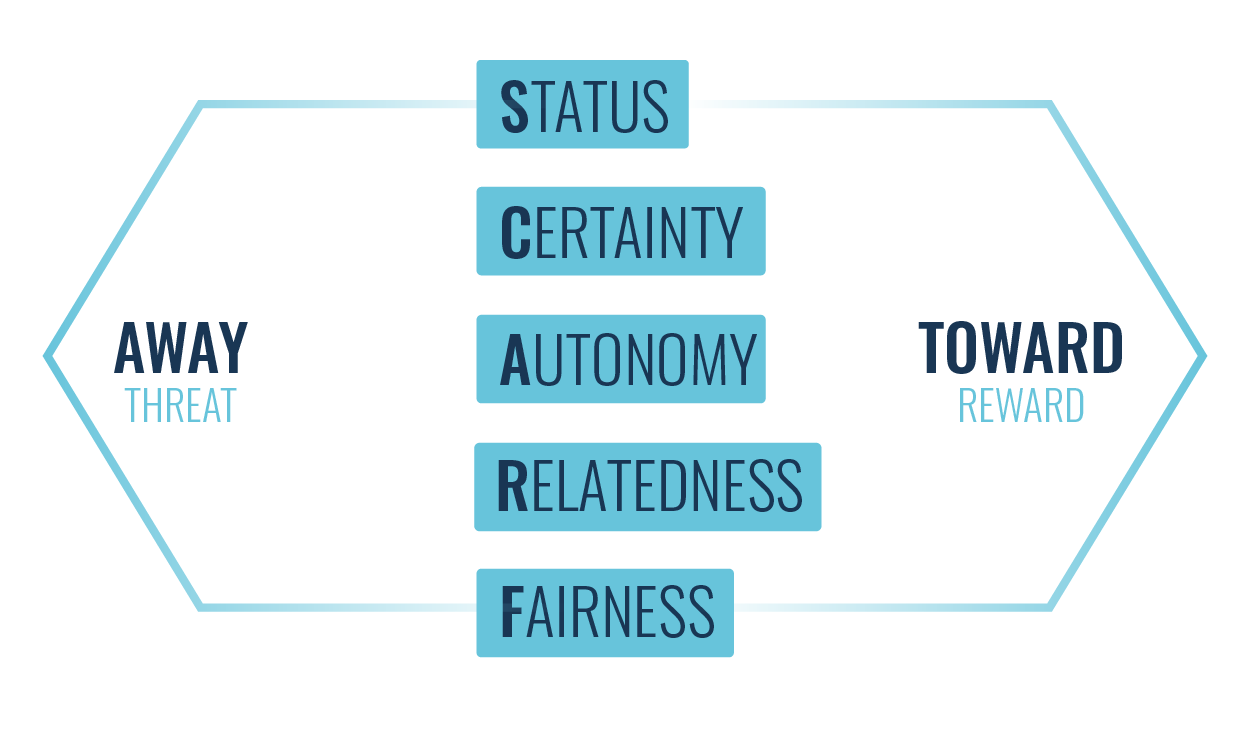
- 🧠 Stress and the brain: Chronic stress pushes leaders into survival mode. The prefrontal cortex (responsible for empathy, reasoning, and decision-making) goes offline, while the amygdala (fear/threat centre) takes over. This explains why stressed leaders often react with hostility, micromanagement, or withdrawal.
- 🧠 Psychological safety: Research shows that feeling safe at work isn’t just emotional — it’s biological. Safety lowers cortisol levels, improves cognitive flexibility, and supports creativity and innovation. Without it, people burn out, disengage, or leave.
- 🧠 Trust and betrayal: Neuroscience reveals that broken trust activates the same neural pathways as physical pain. That’s why employees remember broken promises and hypocrisy so vividly — and why rebuilding trust is so difficult once it’s lost.
In short: poor leadership literally rewires the brain for threat, not growth.
Why I Founded NeuroEdge Growth
My career experiences were painful, but they gave me clarity. I realised I wanted to dedicate my work to building healthier, more human workplaces. Workplaces where leaders understand the brain and use that knowledge to create environments of trust, safety, and growth.
That’s why I founded NeuroEdge Growth. Our mission is to help leaders and teams unlock human potential through neuroscience-informed training in:
- Leadership development
- Workplace wellbeing and mental health
- Resilience and performance
- Team culture and collaboration
By blending psychology, neuroscience, and practical training, we give leaders the tools to actively support the wellbeing and performance of their people.
A Call to Change
No one should have to endure bullying, neglect, or toxic leadership in the workplace. The science is clear: people thrive when they feel safe, valued, and supported. Workplaces that ignore this pay the price in turnover, burnout, and lost potential.
It doesn’t have to be this way. With awareness, compassion, and evidence-based leadership practices, we can build workplaces that truly unlock human potential.
If you or your organisation is ready to create a healthier, brain-friendly workplace, get in touch